
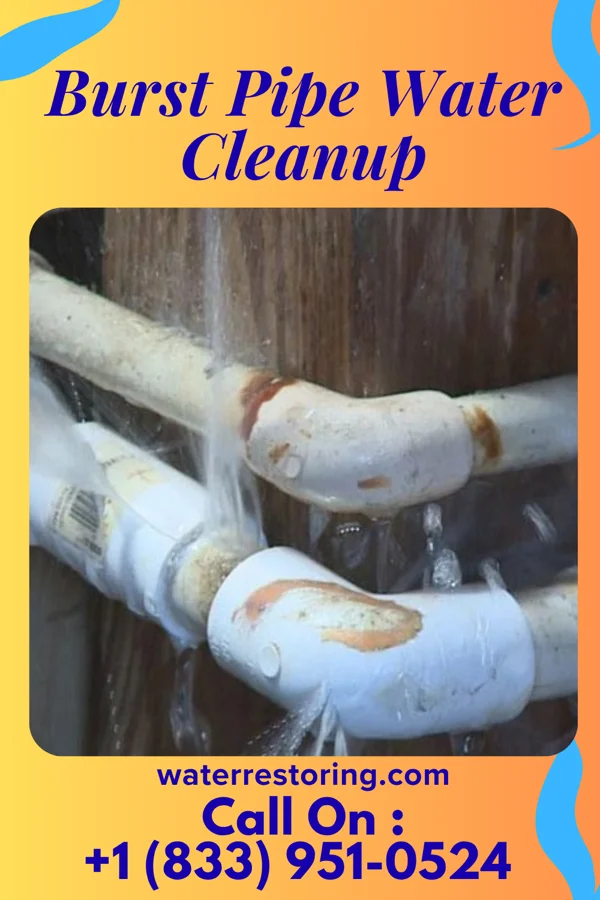
Dash Point Pipe Burst Risk Drivers
Water damage in Dash Point tends to cluster in predictable windows because of the local climate. Dash Point, Washington, experiences frequent heavy rainfall and high humidity, which can lead to increased pressure on aging plumbing systems. The rural setting and proximity to industrial areas like Federal Way and Browns Point mean that commercial and residential water lines are often exposed to corrosive elements and fluctuating temperatures, increasing the risk of pipe bursts. A close second is The area's proximity to the Puget Sound and its coastal climate contribute to higher moisture levels in the soil, which can weaken underground pipes over time. Additionally, the region's frequent temperature changes, especially during winter months, cause pipes to expand and contract, leading to potential cracks and bursts..
Dash Point's coastal climate and proximity to industrial zones create unique challenges for plumbing systems. The combination of high humidity, frequent rain, and temperature swings makes pipe bursts more likely, especially in older homes and commercial buildings.
Dash Point's coastal climate and proximity to industrial zones create unique challenges for plumbing systems. The combination of high humidity, frequent rain, and temperature swings makes pipe bursts more likely, especially in older homes and commercial buildings. The dominant local driver is Dash Point, Washington, experiences frequent heavy rainfall and high humidity, which can lead to increased pressure on aging plumbing systems. The rural setting and proximity to industrial areas like Federal Way and Browns Point mean that commercial and residential water lines are often exposed to corrosive elements and fluctuating temperatures, increasing the risk of pipe bursts., with The area's proximity to the Puget Sound and its coastal climate contribute to higher moisture levels in the soil, which can weaken underground pipes over time. Additionally, the region's frequent temperature changes, especially during winter months, cause pipes to expand and contract, leading to potential cracks and bursts. showing up as the next most common cause. Damage builds in stages. Spread. Absorption. Microbial growth. Structural compromise. Every stage you pass through adds to the final bill.